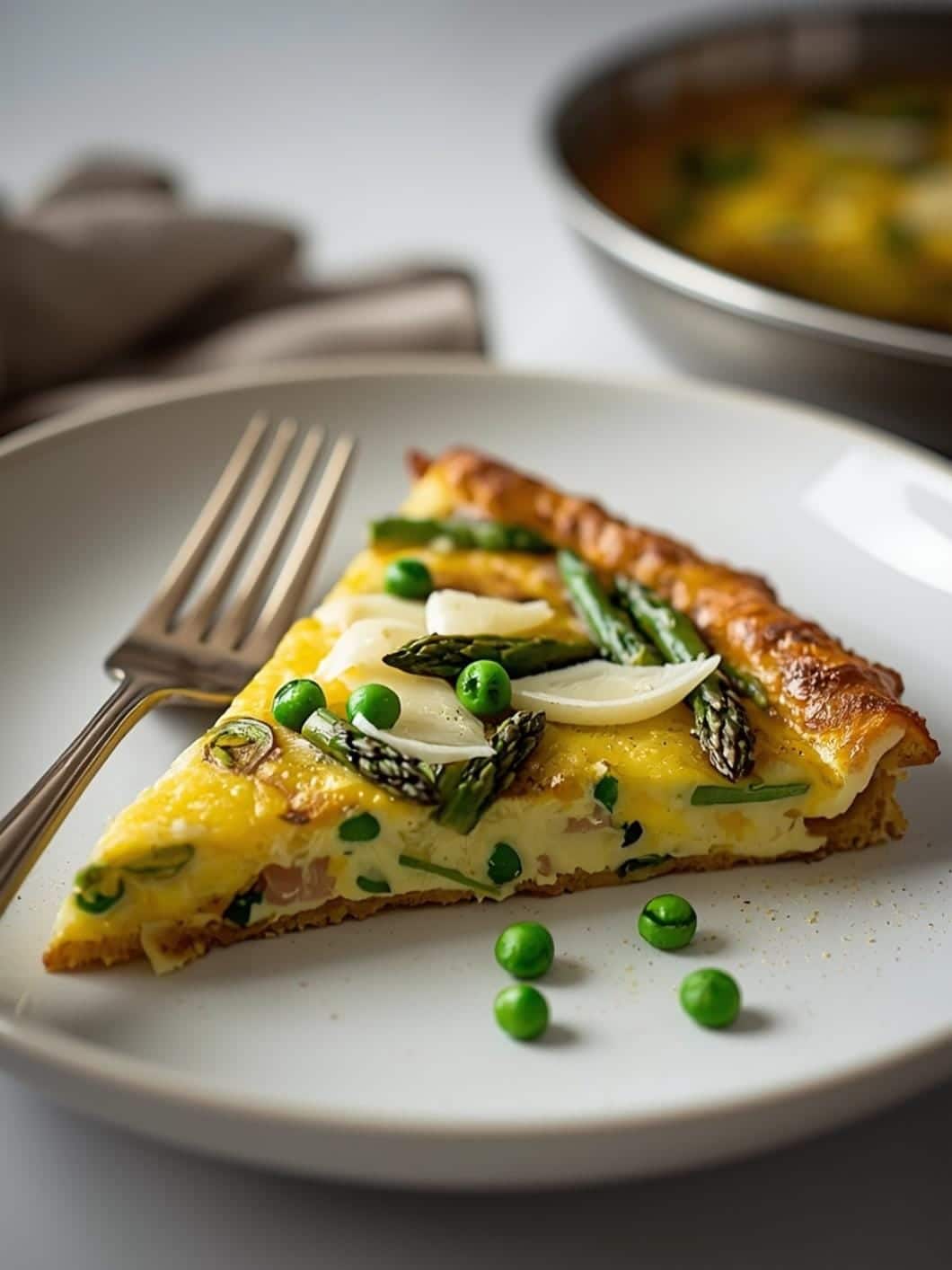
This delicious frittata recipe is packed with fresh spring vegetables like tender asparagus and sweet peas, making it a perfect light meal or brunch option. It’s an easy and flavorful way to enjoy seasonal produce that comes together quickly, ideal for busy mornings or a relaxed weekend lunch.
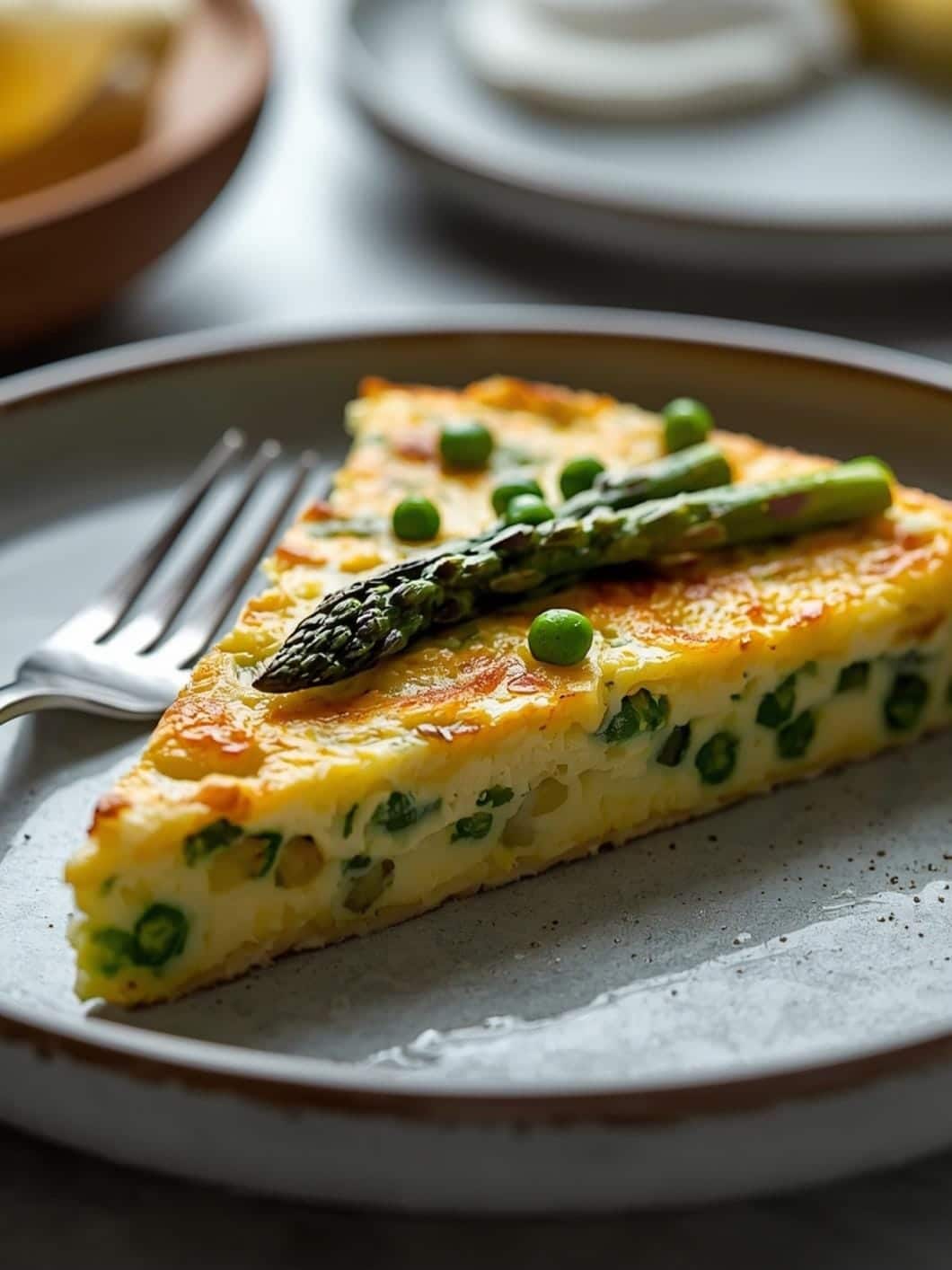
Whether you’re new to cooking or a seasoned pro, this recipe offers a straightforward approach to creating a satisfying and healthy dish. It’s a fantastic way to incorporate more vegetables into your diet without sacrificing taste or spending hours in the kitchen.
Table of Contents
- What You’ll Love About This Quick And Easy Recipe
- Everything You Need To Make This Recipe Without Stress
- Time Needed From Start To Finish
- How To Make It Step By Step With Visual Cues
- Easy Variations And Serving Ideas That Fit Real Life
- Common Slip-Ups And How To Avoid Them
- How To Store It And Make It Ahead Without Ruining Texture
Spring Vegetable Frittata
- Total Time: 25-30 minutes
- Yield: 4-6 servings 1x
Description
This delicious frittata recipe is packed with fresh spring vegetables like tender asparagus and sweet peas, making it a perfect light meal or brunch option. It’s an easy and flavorful way to enjoy seasonal produce that comes together quickly, ideal for busy mornings or a relaxed weekend lunch. This recipe is naturally gluten-free and can easily be adapted to be dairy-free.
Ingredients
Instructions
1. Prepare Your Vegetables: Start by trimming the tough, woody ends off your asparagus. The easiest way to do this is to hold an asparagus spear by both ends and bend it; it will naturally snap where the tough part begins. Then, cut the tender asparagus into 1-inch pieces. If using fresh peas, give them a quick rinse. Finely chop your yellow onion.
2. Saute the Aromatics and Asparagus: Heat the olive oil in an oven-safe, non-stick skillet (about 8-10 inches) over medium heat. Add the chopped onion and cook for 2-3 minutes until it softens and becomes translucent. Add the asparagus pieces to the skillet and cook for another 3-5 minutes, stirring occasionally, until they are tender-crisp and bright green.
3. Add the Peas: Stir in the peas (fresh or frozen) and cook for just 1-2 minutes more, until they are heated through. You want the vegetables to be cooked but still have a slight bite. Remove the skillet from the heat for a moment.
4. Whisk the Egg Mixture: In a medium bowl, whisk together the eggs, milk, salt, and black pepper until well combined and slightly frothy. If you’re using Parmesan cheese, you can stir about half of it into the egg mixture now, or save it all for sprinkling on top later.
5. Combine and Cook on Stovetop: Pour the egg mixture evenly over the vegetables in the skillet. Return the skillet to medium-low heat. Cook on the stovetop for about 5-7 minutes, without stirring, until the edges of the frittata begin to set and pull away from the sides of the pan, and the center is mostly set but still looks a little wet.
6. Finish in the Oven: If using Parmesan cheese, sprinkle the remaining cheese over the top of the frittata. Transfer the skillet to a preheated oven (set to 350 F (175 C)). Bake for 8-12 minutes, or until the frittata is puffed, golden brown on top, and cooked through. A knife inserted into the center should come out clean.
7. Serve and Garnish: Carefully remove the frittata from the oven. Let it rest in the skillet for a few minutes before sliding it onto a cutting board or serving platter. Garnish with fresh chopped chives, if desired. Slice into wedges and serve warm.
- Prep Time: 10 minutes
- Cook Time: 15-20 minutes
- Category: main dish
- Method: bake
- Cuisine: american
Nutrition
- Serving Size: 1 slice
Keywords: frittata, spring, vegetable, asparagus, peas, brunch, easy, healthy, gluten-free, quick
What You’ll Love About This Quick And Easy Recipe
You’ll absolutely adore this Spring Vegetable Frittata for its sheer simplicity and vibrant flavors. It’s designed for anyone who wants a delicious, homemade meal without a lot of fuss. This recipe is perfect for busy parents looking for a nutritious breakfast or lunch that can be on the table in under 30 minutes. It’s also a fantastic option for a weekend brunch with friends or a light, healthy dinner when you want something satisfying but not heavy. The beauty of a frittata is its versatility; it feels special enough for guests but is easy enough for a regular weeknight. The combination of tender asparagus and sweet peas brings a lovely freshness that truly celebrates the season. It’s also naturally gluten-free and can easily be adapted to be dairy-free if needed, making it a crowd-pleaser for various dietary preferences.
Everything You Need To Make This Recipe Without Stress
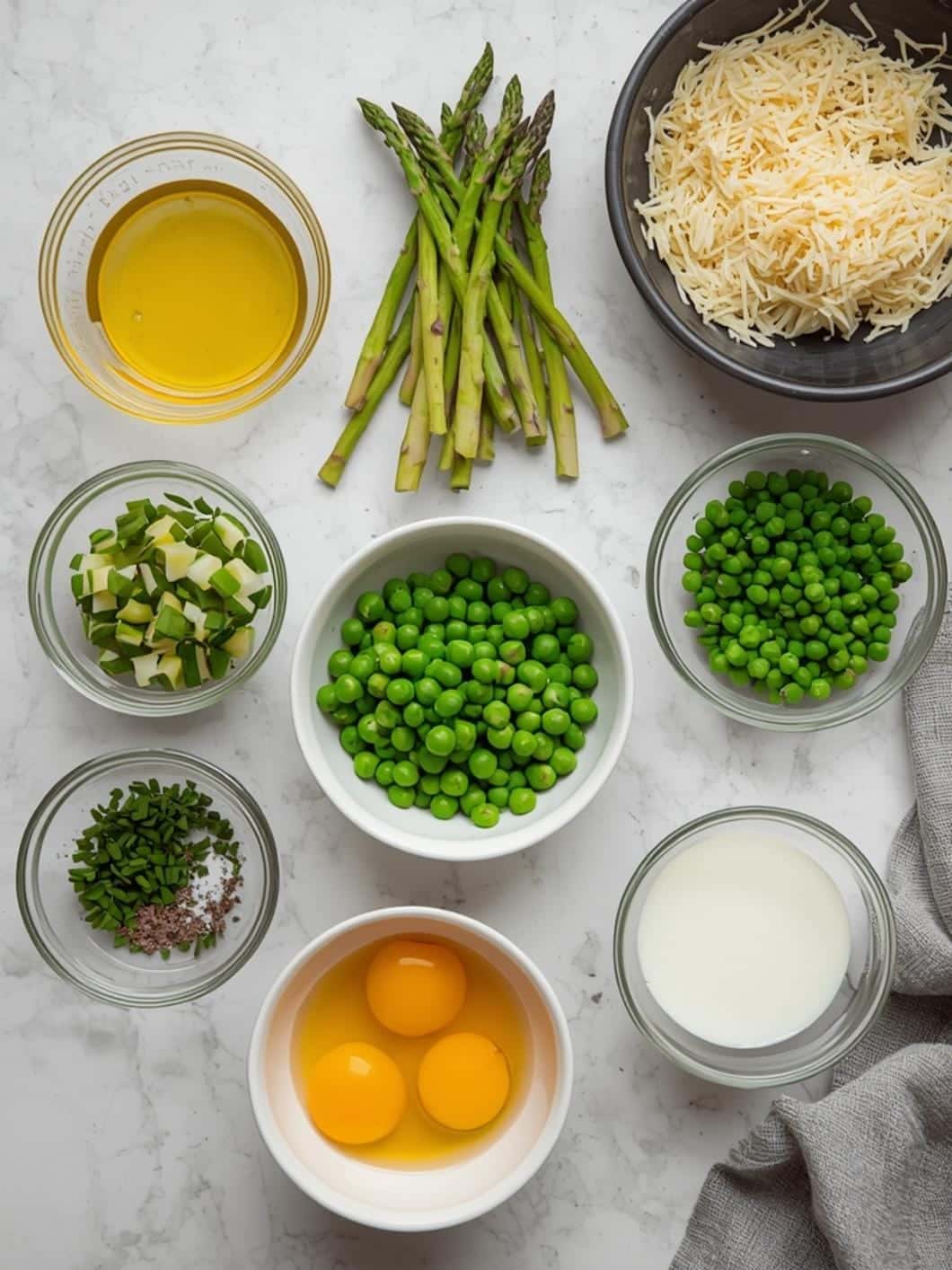
To ensure your Spring Vegetable Frittata comes out perfectly every time, here’s a list of the essential ingredients. These are all common items you can easily find at your local grocery store, ensuring a stress-free cooking experience.
INGREDIENTS:
– 1 tablespoon olive oil – 1 cup fresh asparagus, tough ends trimmed, cut into 1-inch pieces – 1/2 cup fresh or frozen peas (if frozen, no need to thaw) – 1/4 cup chopped yellow onion – 8 large eggs – 1/4 cup milk (dairy or non-dairy) – 1/2 teaspoon salt – 1/4 teaspoon black pepper – 1/4 cup shredded Parmesan cheese (optional) – 1 tablespoon fresh chives, chopped (for garnish, optional)
Time Needed From Start To Finish
This recipe is designed for speed and efficiency, making it perfect for those busy days when you want something homemade but don’t have hours to spare.
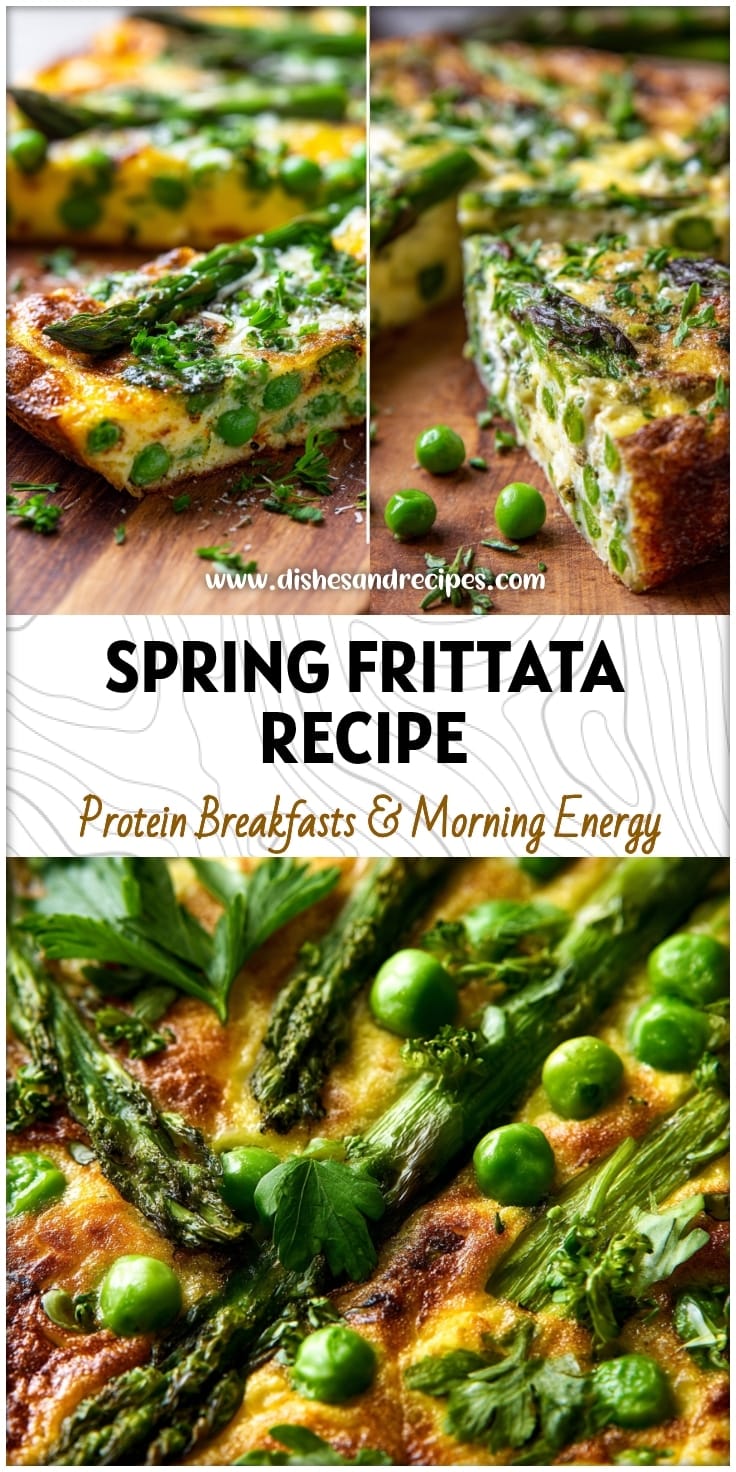
- Prep time: 10 minutes
- Cook time: 15-20 minutes
- Total time: 25-30 minutes
This quick turnaround means you can enjoy a delicious, fresh meal without waiting long, making it ideal for breakfast, brunch, or a light dinner.
How To Make It Step By Step With Visual Cues
Making this Spring Vegetable Frittata is a straightforward process. Follow these simple steps to achieve a perfectly cooked, flavorful dish every time.
- Prepare Your Vegetables: Start by trimming the tough, woody ends off your asparagus. The easiest way to do this is to hold an asparagus spear by both ends and bend it; it will naturally snap where the tough part begins. Then, cut the tender asparagus into 1-inch pieces. If using fresh peas, give them a quick rinse. Finely chop your yellow onion.
- Sauté the Aromatics and Asparagus: Heat the olive oil in an oven-safe, non-stick skillet (about 8-10 inches) over medium heat. Add the chopped onion and cook for 2-3 minutes until it softens and becomes translucent. Add the asparagus pieces to the skillet and cook for another 3-5 minutes, stirring occasionally, until they are tender-crisp and bright green.
- Add the Peas: Stir in the peas (fresh or frozen) and cook for just 1-2 minutes more, until they are heated through. You want the vegetables to be cooked but still have a slight bite. Remove the skillet from the heat for a moment.
- Whisk the Egg Mixture: In a medium bowl, whisk together the eggs, milk, salt, and black pepper until well combined and slightly frothy. If you’re using Parmesan cheese, you can stir about half of it into the egg mixture now, or save it all for sprinkling on top later.
- Combine and Cook on Stovetop: Pour the egg mixture evenly over the vegetables in the skillet. Return the skillet to medium-low heat. Cook on the stovetop for about 5-7 minutes, without stirring, until the edges of the frittata begin to set and pull away from the sides of the pan, and the center is mostly set but still looks a little wet.
- Finish in the Oven: If using Parmesan cheese, sprinkle the remaining cheese over the top of the frittata. Transfer the skillet to a preheated oven (set to 350°F or 175°C). Bake for 8-12 minutes, or until the frittata is puffed, golden brown on top, and cooked through. A knife inserted into the center should come out clean.
- Serve and Garnish: Carefully remove the frittata from the oven. Let it rest in the skillet for a few minutes before sliding it onto a cutting board or serving platter. Garnish with fresh chopped chives, if desired. Slice into wedges and serve warm.
Easy Variations And Serving Ideas That Fit Real Life
This Spring Vegetable Frittata is incredibly versatile, making it easy to adapt for different tastes or occasions. For a kid-friendly twist, you can finely chop the asparagus and peas even smaller, or even add a handful of shredded mild cheddar cheese to the egg mixture. Kids often enjoy the mild flavor and cheesy texture. You could also serve it alongside some mini muffins or fruit skewers for a complete meal that appeals to younger palates.
If you’re looking to swap ingredients, feel free to experiment with other spring vegetables. Sliced radishes, spinach (wilted before adding to the eggs), or even finely diced bell peppers would be delicious additions. For a heartier frittata, consider adding some cooked, crumbled bacon or sausage to the vegetable mixture before pouring in the eggs. A pinch of red pepper flakes can add a subtle kick if you enjoy a little spice.
For party or buffet serving, frittatas are fantastic because they hold up well at room temperature. You can bake it a little ahead of time, slice it into smaller, bite-sized squares, and arrange them on a platter. It makes for an elegant and easy appetizer. Serve it with a simple green salad with a light vinaigrette, some crusty bread, or a side of fresh fruit for a complete meal. Optional toppings like a dollop of Greek yogurt or sour cream, a sprinkle of fresh herbs like dill or parsley, or a drizzle of balsamic glaze can elevate the presentation and flavor.
Common Slip-Ups And How To Avoid Them
Even simple recipes can have common pitfalls. Knowing what to watch out for can help you achieve a perfect frittata every time.
One frequent mistake is overcooking the vegetables before adding the eggs. If your asparagus and peas are too soft at the start, they’ll become mushy after baking in the egg mixture. Aim for tender-crisp vegetables that still have a bit of bite.
Another common issue is sticking to the pan. Ensure you’re using a good quality, oven-safe non-stick skillet. If your pan isn’t truly non-stick, you might want to lightly grease it with a little extra oil or butter before adding the eggs, even if it’s technically non-stick. This extra step provides insurance against sticking.
High heat on the stovetop can cause the bottom of the frittata to brown too quickly or even burn before the top sets. Keep the heat at medium-low when cooking on the stovetop to allow the edges to set gently and evenly.
Not fully cooking the center is another slip-up. While the frittata might look puffed and golden on top, the middle can still be undercooked and runny. To check for doneness, gently insert a thin knife or skewer into the center. If it comes out clean, your frittata is ready. If not, return it to the oven for a few more minutes.
Finally, cutting into the frittata too soon after removing it from the oven can cause it to deflate or tear. Allowing it to rest in the skillet for 5-10 minutes helps the frittata set completely, making it easier to slice and serve cleanly.
How To Store It And Make It Ahead Without Ruining Texture
This Spring Vegetable Frittata is wonderful for meal prepping or enjoying leftovers. To store any remaining frittata, allow it to cool completely to room temperature. Once cooled, transfer the wedges
FAQs
- Can I make these ahead? Yes—prep ahead, refrigerate, then serve when ready.
- How long do leftovers last? Store covered in the fridge for 3–4 days for best texture.
- Can I adjust sweetness? Yes—add more or less sweetener to taste.
- Can I change the fruit? Yes—swap strawberries for blueberries, raspberries, or sliced banana.