

Embarking on the journey of homemade sourdough might seem daunting, but it’s a truly rewarding experience that opens up a world of delicious baking.
Creating your own sourdough starter from scratch is simpler than you think, requiring just a few basic ingredients and a little patience. This guide is designed specifically for beginners, breaking down each step into easy-to-follow instructions.
We’ll walk you through the process of cultivating a healthy, active starter, from mixing your first flour and water to understanding the signs of a thriving culture. You’ll learn about the ideal ratios for feeding and how to tell when your starter is perfectly ripe and ready to transform into incredible bread, pizzas, and more. Get ready to unlock the magic of sourdough in your own kitchen!
Table of Contents
- What You’ll Love About This Quick And Easy Recipe
- Everything You Need To Make This Recipe Without Stress
- Time Needed From Start To Finish
- How To Make It Step By Step With Visual Cues
- Easy Variations And Serving Ideas That Fit Real Life
- Common Slip-Ups And How To Avoid Them
- How To Store It And Make It Ahead Without Ruining Texture

Beginner’s Sourdough Starter
- Total Time: 7-14 days
- Yield: 1 active sourdough starter 1x
Description
This guide simplifies creating a sourdough starter from scratch, perfect for beginners. Learn to cultivate a healthy, active starter with easy-to-follow instructions, from initial mixing to daily feedings, preparing you for delicious sourdough baking.
Ingredients
Instructions
1. Day 1: The Initial Mix
2. 1. In a clean, clear glass jar or container (at least 1-quart capacity), combine 1/2 cup (120g) of unbleached all-purpose flour and 1/2 cup (120g) of filtered water.
3. 2. Stir thoroughly with a spoon or spatula until no dry clumps of flour remain. The mixture should have the consistency of a thick pancake batter.
4. 3. Loosely cover the jar with a lid, plastic wrap, or a clean kitchen towel. Do not seal it tightly, as the starter needs to breathe.
5. 4. Place the jar in a warm spot (ideally 70-75 F / 21-24 C) in your kitchen, away from direct sunlight.
6. Day 2: Rest and Observe
7. 1. Do nothing today. Simply observe your starter. You might not see much activity yet, or you might notice a few small bubbles forming. The smell might be slightly yeasty or a bit like wet flour.
8. Day 3: First Feeding
9. 1. Discard about half of your starter (approximately 1/2 cup). This seems wasteful, but it’s crucial to manage the volume and concentrate the food for the remaining starter.
10. 2. Add 1/2 cup (120g) fresh unbleached all-purpose flour and 1/2 cup (120g) fresh filtered water to the remaining starter.
11. 3. Stir well until fully combined.
12. 4. Loosely cover and return to your warm spot. You should start to see more bubbles and possibly a slight rise by the end of the day or the next morning.
13. Days 4-7 (and beyond): Consistent Daily Feedings
14. 1. Repeat the Day 3 feeding process every 24 hours: discard about half, then feed with 1/2 cup flour and 1/2 cup water.
15. 2. Look for signs of activity: The starter should start to consistently rise after feeding, often doubling in size, and then fall back down. You’ll see many bubbles throughout the mixture.
16. 3. The smell should become pleasantly sour and yeasty, like ripe fruit or beer, not like nail polish remover (which indicates it’s hungry and needs feeding more often).
17. 4. When to use sourdough starter for baking success: Your starter is ready when it consistently doubles in size within 4-8 hours after feeding and stays bubbly for several hours before slowly deflating. It should also pass the “float test”: drop a small spoonful into a glass of water; if it floats, it’s ready to bake with!
- Prep Time: 5-10 minutes per day
- Cook Time: N/A
- Category: baking
- Method: fermentation
- Cuisine: american
Nutrition
- Serving Size: N/A
Keywords: sourdough, starter, baking, fermentation, bread, homemade, yeast, natural, easy, beginner
What You’ll Love About This Quick And Easy Recipe
This recipe is perfect for anyone eager to dive into the world of sourdough baking but unsure where to begin. It demystifies the process of creating a starter, making it accessible even for those who consider themselves kitchen novices. You’ll love how straightforward the daily feeding routine is, and the satisfaction of watching your starter come alive with bubbly activity is truly unmatched. This guide is ideal for home bakers who want to enjoy the unique flavor and health benefits of sourdough bread, and it lays the foundation for countless future baking adventures. There’s no rush, just a simple, consistent effort that yields fantastic results.
Everything You Need To Make This Recipe Without Stress
Gathering your supplies is the first step to a successful sourdough starter. You don’t need any fancy equipment, just a few kitchen staples. The quality of your ingredients does matter, especially the flour, as it provides the food for the wild yeasts and bacteria that make your starter thrive.
INGREDIENTS:
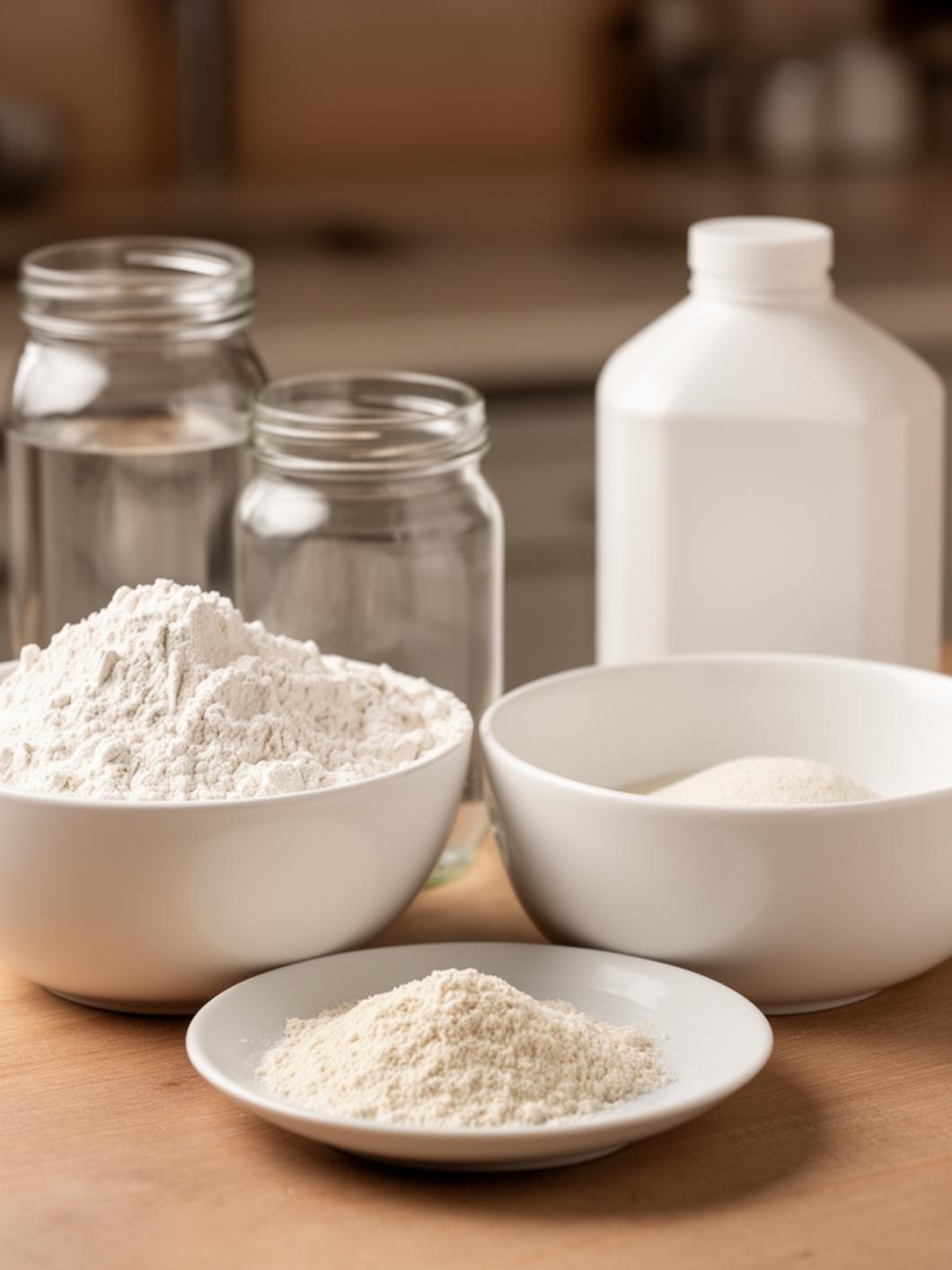
- 1 cup unbleached all-purpose flour (or whole wheat flour for initial boost)
- 1 cup filtered water (room temperature)
For the flour, unbleached all-purpose flour is a great choice because it has enough nutrients to get your starter going without being too dense. If you want to give your starter an extra boost in the beginning, you can use whole wheat flour for the first few days, then switch to unbleached all-purpose. Avoid bleached flour, as the bleaching process can interfere with the natural yeasts. For water, filtered water is highly recommended. Tap water often contains chlorine or chloramines, which can inhibit the growth of the beneficial microorganisms in your starter. If you don’t have a filter, you can leave tap water out in an open container for 24 hours to allow the chlorine to dissipate.
Time Needed From Start To Finish
Creating a sourdough starter is more about consistent attention over several days than intensive hands-on work.
- Active Prep Time: 5-10 minutes per day (for feeding)
- Total Cultivation Time: 7-14 days (until active and ready for baking)
While the active prep time each day is minimal, the full process takes about one to two weeks for your starter to become robust and consistently active enough for baking. This isn’t a recipe you can rush, but the daily commitment is very small.
How To Make It Step By Step With Visual Cues
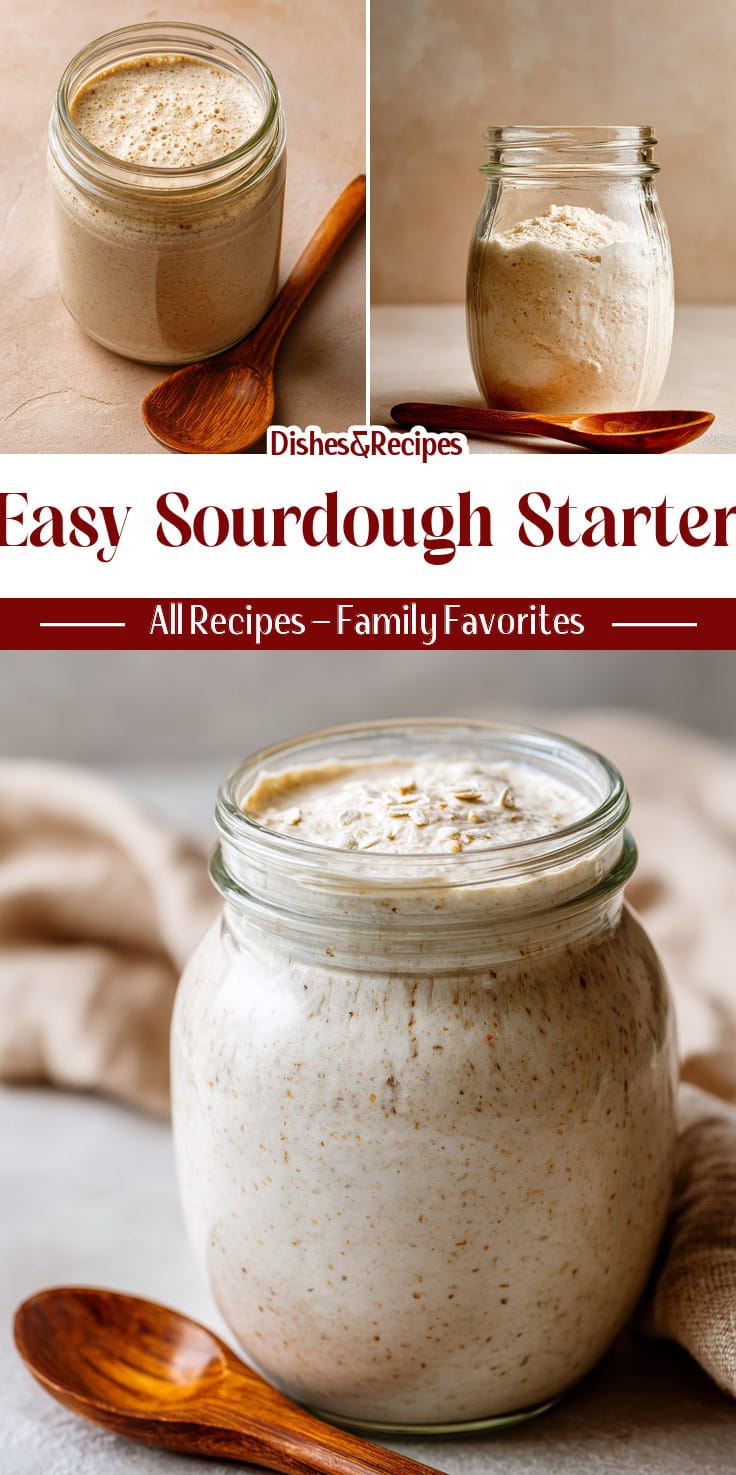
Follow these steps carefully to cultivate a vibrant and active sourdough starter. Consistency is key!
- In a clean, clear glass jar or container (at least 1-quart capacity), combine 1/2 cup (120g) of unbleached all-purpose flour and 1/2 cup (120g) of filtered water.
- Stir thoroughly with a spoon or spatula until no dry clumps of flour remain. The mixture should have the consistency of a thick pancake batter.
- Loosely cover the jar with a lid, plastic wrap, or a clean kitchen towel. Do not seal it tightly, as the starter needs to breathe.
- Place the jar in a warm spot (ideally 70-75°F / 21-24°C) in your kitchen, away from direct sunlight.
- Do nothing today. Simply observe your starter. You might not see much activity yet, or you might notice a few small bubbles forming. The smell might be slightly yeasty or a bit like wet flour.
- Discard about half of your starter (approximately 1/2 cup). This seems wasteful, but it’s crucial to manage the volume and concentrate the food for the remaining starter.
- Add 1/2 cup (120g) fresh unbleached all-purpose flour and 1/2 cup (120g) fresh filtered water to the remaining starter.
- Stir well until fully combined.
- Loosely cover and return to your warm spot. You should start to see more bubbles and possibly a slight rise by the end of the day or the next morning.
- Repeat the Day 3 feeding process every 24 hours: discard about half, then feed with 1/2 cup flour and 1/2 cup water.
- Look for signs of activity: The starter should start to consistently rise after feeding, often doubling in size, and then fall back down. You’ll see many bubbles throughout the mixture.
- The smell should become pleasantly sour and yeasty, like ripe fruit or beer, not like nail polish remover (which indicates it’s hungry and needs feeding more often).
- When to use sourdough starter for baking success: Your starter is ready when it consistently doubles in size within 4-8 hours after feeding and stays bubbly for several hours before slowly deflating. It should also pass the “float test”: drop a small spoonful into a glass of water; if it floats, it’s ready to bake with!
Easy Variations And Serving Ideas That Fit Real Life
While a sourdough starter isn’t a dish to “serve,” it’s the foundation for countless delicious recipes. Once your starter is active, the possibilities are endless for family-friendly meals.
- Classic Sourdough Bread: The most obvious use! A homemade loaf is incredible with any meal, for sandwiches, or simply toasted with butter.
- Sourdough Pizza Dough: Use your active starter to make a flavorful, chewy pizza crust. Kids love helping to top their own pizzas.
- Sourdough Pancakes or Waffles: A great way to use up “discard” (the portion you remove before feeding). These yield a wonderfully tangy and fluffy breakfast.
- Sourdough Biscuits: Light, flaky, and with a hint of tang, perfect alongside a hearty stew or for breakfast sandwiches.
- Sourdough Crackers: A fun project, especially with kids, turning discard into crispy, savory snacks.
- Sourdough Focaccia: A simple, olive oil-rich bread that’s fantastic with pasta or as an appetizer.
Common Slip-Ups And How To Avoid Them
Creating a sourdough starter is forgiving, but a few common mistakes can slow down the process or lead to issues.
- Using Bleached Flour: Bleached flour lacks the natural microbes and nutrients necessary for a healthy starter. Always opt for unbleached flour.
- Using Chlorinated Water: Chlorine can kill off the beneficial bacteria and yeast. Always use filtered or dechlorinated water.
- Sealing the Jar Tightly: Your starter needs air to thrive. Always use a loose lid, plastic wrap, or a cloth cover to allow for gas exchange.
- Not Feeding Consistently: Irregular feeding can starve your starter, making it sluggish or causing it to develop off-flavors. Stick to a daily feeding schedule, especially in the beginning.
- Feeding Too Much or Too Little: The 1:1:1 ratio (starter:flour:water by weight or volume) is a good starting point. Too much food can dilute the starter, while too little won’t provide enough energy.
- Discarding Too Little: It feels wrong to throw away part of your starter, but it’s essential. Discarding ensures that the remaining starter has enough food to thrive and prevents it from becoming too voluminous or acidic.
- Impatience: Sourdough starters take time to develop. Don’t get discouraged if you don’t see vigorous activity immediately. Keep feeding consistently, and it will come to life.
How To Store It And Make It Ahead Without Ruining Texture
Once your sourdough starter is active and consistently doubling after feeding, you can transition it to a less frequent feeding schedule, especially if you don’t bake every day.
- Refrigeration for Less Frequent Baking: If you bake once a week or less, you can store your active starter in the refrigerator. After a feeding, let it sit at room temperature for an hour or two to start activating, then place it in the fridge. The cold slows down its metabolism.
- Feeding a Refrigerated Starter: When stored in the fridge, feed your starter once a week. Take it out, let it come to room temperature for a few hours, discard half, feed it, let it sit at room temperature for 4-8

FAQs
- Can I make these ahead? Yes—prep ahead, refrigerate, then serve when ready.
- How long do leftovers last? Store covered in the fridge for 3–4 days for best texture.
- Can I adjust sweetness? Yes—add more or less sweetener to taste.
- Can I change the fruit? Yes—swap strawberries for blueberries, raspberries, or sliced banana.